
The Metrics Trap
Why Support Teams Are Hitting Targets But Missing the Point

“We hit 95% CSAT. But the team’s exhausted, and the same issues keep coming back. Are we really winning?”
That quote came from a conversation I had with a CX lead not long ago. Her team was closing tickets like clockwork, they were praised in all-hands meetings, and their dashboards looked pristine. But morale was low. Churn was creeping in. And customers were quietly disappearing.
It struck a nerve because I’ve felt that too. Most of us in support have.
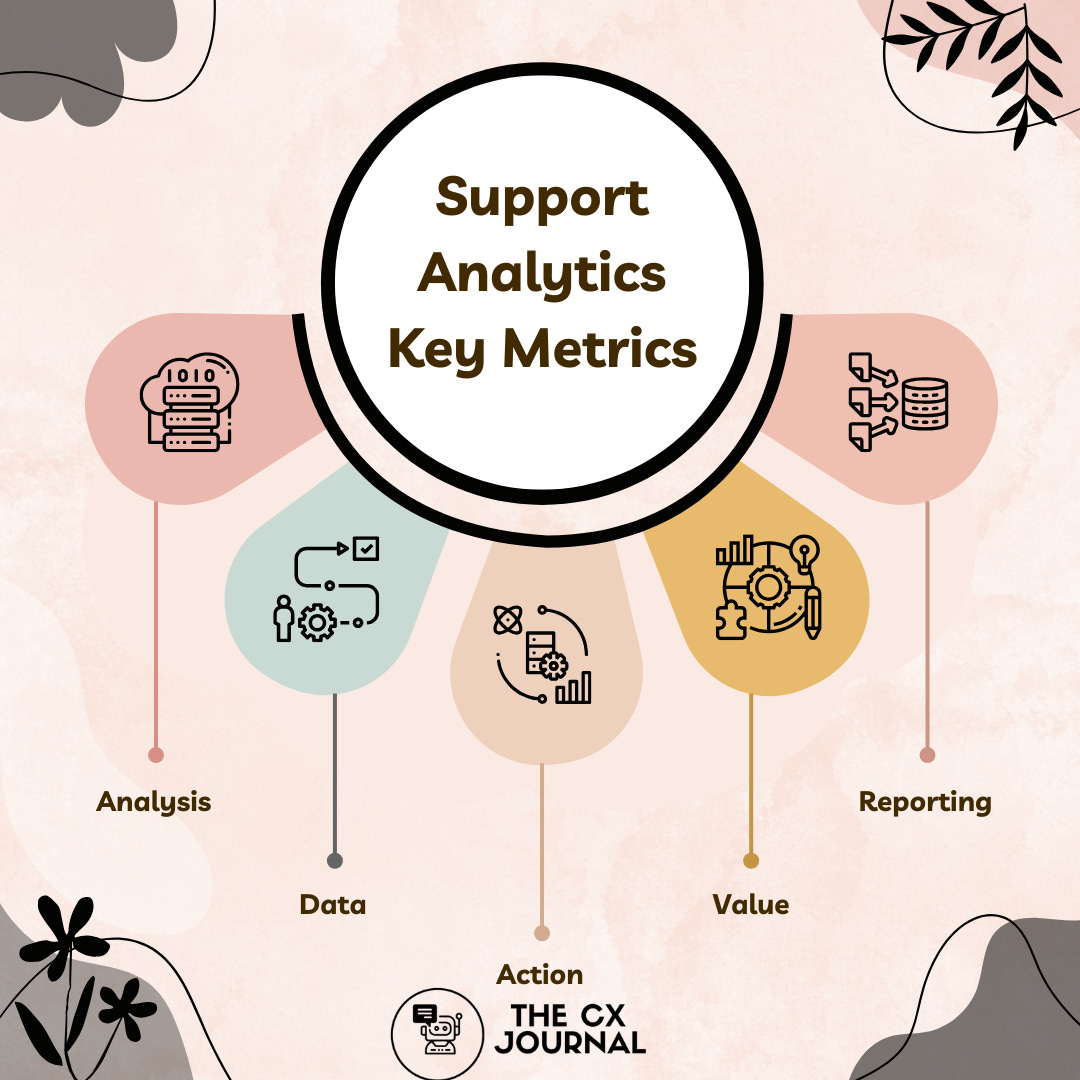
We’re told to care deeply about customers, but too often, we’re measured by how fast we close their issues instead of how well we solve them. In many teams, metrics are the scoreboard. AHT, CSAT, FCR, backlog, they shape how we define success, how we’re evaluated, and sometimes… how we value ourselves.
But what if the metrics are too small for the job?
The Illusion of Progress
Here’s the hard truth: you can hit every metric and still be failing the customer.
According to Zendesk's CX Trends Report, 60% of customers will switch to a competitor after just one or two bad experiences , even if their previous interactions were technically resolved “on time.”
That means you could be checking all the boxes, but still losing the people who matter most.
It’s not just about anecdotal feedback either. A study published in Harvard Business Review found that over-reliance on operational metrics like AHT often leads to short-term efficiency at the expense of long-term loyalty and trust. We create smooth tickets but bumpy journeys. We resolve issues but leave frustration unspoken and unresolved.
Translation? You can “win” on the dashboard and still lose your customer.
And yet, the bigger problem is that we rarely stop to ask: what are these metrics really telling us? Because when we measure output without meaning, we fall into the trap , the metrics trap.
What Metrics Miss And What to Do Instead
One mindset shift I’ve seen and lived that changes everything?
When agents understand how their work influences product, revenue, and retention, the game changes. So does how leadership measures their value.
It starts with something simple: conversation.
I believe more support leaders need to embrace this simple shift.
I believe more support leaders need to embrace this shift. Not because it’s trendy, but because it works. It’s more than a team exercise. It’s a reminder: support is not just a function , it’s a feedback engine. It’s where reality lives.
When we turn away from dashboard-watching and start reflecting on what customers are actually saying, everything gets clearer and more human.
So how do we start?
From Output to Outcomes: What CX Leaders Can Do
If you’re a team lead, a CX manager, or even an exec, here are three research-backed methods you can implement starting this week to break free from the metrics trap. These are small shifts that can lead to big outcomes.
1. Run Weekly “Impact Retros”
Most teams already do some kind of reporting: ticket counts, SLAs, call queues. But what if, instead, you set aside 20 minutes each week to just reflect?
Ask your team:
“What issue kept popping up this week?”
“What are customers struggling to understand?”
“What would you change if you were in charge of the product?”
Suddenly, your support team stops being a set of hands and becomes a strategic brain.
Business Outcome:
Companies that integrate agent feedback loops into product and operations see up to 25% faster resolution times and better alignment between customer needs and business strategy (McKinsey, 2022).
Insight lives in every inbox and chat window. We just need to start listening to it together.
Pro tip: Add a rotating “Insight of the Week” shoutout in Slack or Notion — it boosts morale and visibility.
2. Redesign the Metrics Dashboard
Support dashboards are often cold, impersonal spaces: numbers, timers, charts. But what if they told a story?
Try adding:
Customer Story of the Week
Top Insight Escalated to Leadership
Wellness Indicator: e.g., % of agents taking scheduled breaks
Make space for the human side of the work. Use your dashboards not just to track volume but to track value.
Business Outcome:
A Gallup study found that companies measuring employee engagement and customer satisfaction together had 147% higher earnings per share compared to their competitors.
This isn’t about being soft it’s about being smart. People-first operations drive profit. Always have.
3. Story + Stat Reporting to Leadership
Too often, CX teams present leadership with metrics but miss the story.
Here’s a better way:
“CSAT held at 4.7, but we noticed a 20% increase in customers asking about feature X. One customer said, ‘I’m confused why this wasn’t easier.’ That insight went straight to Product.”
This approach transforms your team into insight translators not just problem solvers.
Business Outcome:
Teams that supplement metrics with qualitative insights report 30–50% higher leadership engagement with CX strategy (Qualtrics, 2023).
The more human your reports sound, the more seriously they’re taken.
The Global Lens: Why This Matters in Emerging Markets
Now, let’s widen the lens.
In Africa, Latin America, and parts of Southeast Asia, the metrics trap becomes even more dangerous because the global playbooks often don’t fit.
Inconsistent power supply, limited broadband, and a mobile-first population means that CX happens on WhatsApp, through voice notes, or even in-person follow-ups. AHT doesn’t mean much when your customer loses signal mid-call. CSAT drops might reflect poor infrastructure, not poor service.
Meanwhile, in places like Australia, where platforms and automation are more mature, the danger lies in over-optimizing stripping away the human touch in favor of flawless data.
Here’s the point: Great customer experience can’t be judged by one universal metric set.
Good CX isn’t global, it’s contextual.
Good metrics aren’t universal, they’re adaptable.
To lead in CX, we must design systems that meet people where they are, not where our dashboards want them to be.
What Happens When You Get It Right
When organizations make the leap from chasing metrics to cultivating meaning, here’s what they gain:
Higher team morale
Deeper customer loyalty
More actionable product insights
Reduced burnout and turnover
Greater internal trust and CX credibility
In other words, they stop reporting on how fast they work and start showing how deeply they understand the people they serve.
One Thing to Try This Week
Here’s something small and powerful.
At your next team meeting, try this:
Ask: “What did we hear this week that the company needs to know?”
Let your agents speak. Then pick one insight and pass it along.
Don’t wait for a quarterly business review.
Make support insight part of your company's weekly rhythm.
Make insights louder than AHT.
We don’t need to abandon metrics. But we do need to reclaim their purpose.
Metrics should inform, not define.
KPIs should reflect humans, not just handle times.
Support should be a strategy, not a silo.
Let’s stop measuring how fast we close tickets and start tracking how deeply we understand the people behind them.
Got a story about how your team broke free from the metrics trap?
Reply or DM me I’d love to feature your journey in an upcoming issue of The CX Journal.